
Medically reviewed by Drugs.com
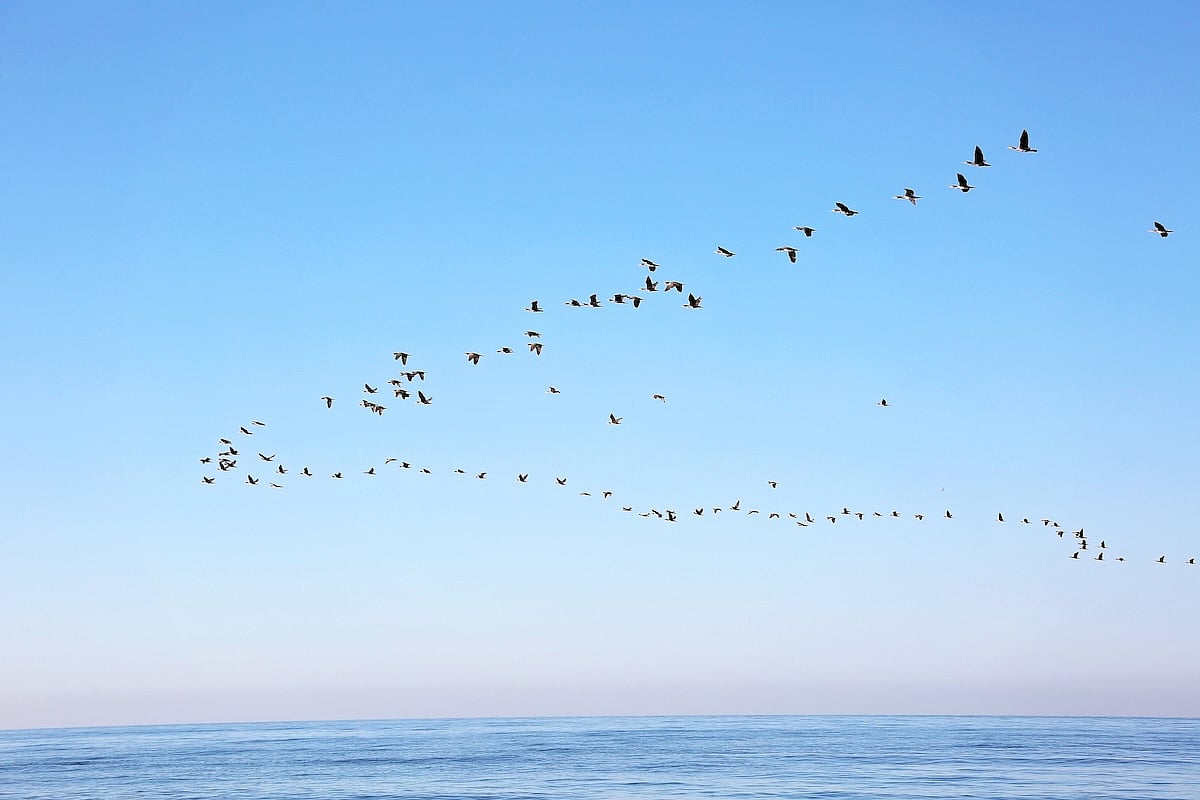
SATURDAY, Oct. 11, 2025 — As millions of birds migrate south for the winter, many face dangerous obstacles on their journey, and experts say people can help them have a safe trip.
This week saw the biggest migration event ever recorded by the BirdCast, a bird study project at Cornell University in Ithaca, New York — 1.25 billion. Farther south, trackers at Virginia Tech University report more than 36 million birds have already migrated this fall.
But while these flights are an incredible natural event, experts say they can also be extremely dangerous.
“Birds face a variety of threats during migration — collisions with windows, communications towers and wind turbines; light pollution that disorients them; habitat loss or degradation in their migration stopover areas; human disturbance while feeding at stopover areas; predators; and storms,” Ashley Dayer, a wildlife conservation expert at Virginia Tech, said in a news release.
Artificial light is one of the biggest dangers for birds traveling at night. It can confuse or attract them toward buildings, where they may crash into windows.
“Birds collide with windows when they can’t see them or even worse are attracted to them because of reflections of plants or the sky,” Dayer explained. “This happens during the day, as well as at night during migration when lights disorient birds or if fog is causing them to fly low.”
That’s why people have an important role to play, according Dana Hawley, a professor of biological sciences at Virginia Tech.
“The three most important things you can do for birds this time of year are to keep cats indoors, turn your lights off and use window mitigation,” she said.
Turn off unnecessary outdoor lighting at night or use motion sensors and timers so lights are only on when needed, Dayer suggested.
“If you must leave a light on, use warm-colored lights with shields that face downward,” she urged.
Homeowners can also help reduce window collisions by:
-
Placing bird feeders within three feet of windows or more than 30 feet away
-
Using window screens, UV tape or hanging cords to make glass visible
-
Closing blinds to limit reflections
-
Leaving fallen logs or stick piles in yards to give birds shelter as they stop to rest
While Dayer said you don’t have to take feeders down during migration season, you should be careful.
“Enjoy these visitors as they pass through. But feed responsibly! Clean your feeders regularly, follow window guidance, and keep your cats indoors,” she said.
Experts say these small steps can make a major difference as millions of birds migrate across North America each fall.
Sources
- Virginia Tech, news release, Oct. 8, 2025
Disclaimer: Statistical data in medical articles provide general trends and do not pertain to individuals. Individual factors can vary greatly. Always seek personalized medical advice for individual healthcare decisions.

© 2025 HealthDay. All rights reserved.
More news resources
Subscribe to our newsletter
Whatever your topic of interest, subscribe to our newsletters to get the best of Drugs.com in your inbox.


Recent Comments