

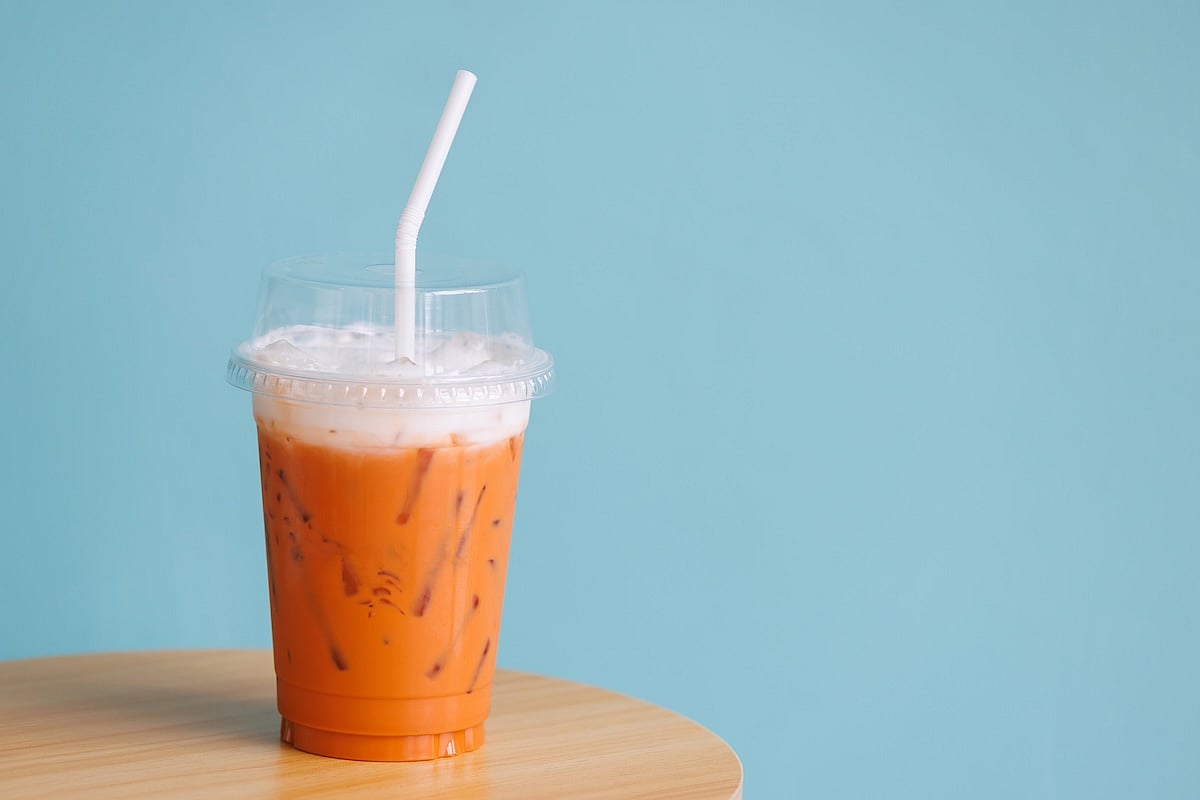
MONDAY, Feb. 16, 2026 — Thailand is taking aim at sugary drinks as health officials warn that too much sugar is fueling rising rates of obesity and diabetes.
Earlier this week, nine major coffee chains across the Southeast Asian country agreed to cut the default sugar content in some of their drinks by half, as part of a new government-backed effort to curb excess sugar intake.
Health officials say the move is long overdue. On average, Thais consume about 21 teaspoons of sugar each day, according to the country’s Health Department.
That’s more than three times the World Health Organization’s recommended daily limit of six teaspoons.
Dr. Amporn Benjaponpitak, director general of the Health Department, called the initiative the first major step toward changing how people consume sugar.
The health concerns are growing.
Dr. Pakorn Tungkasereerak, the department’s deputy director-general, said 2025 data show that about 45% of Thais ages 15 and older are obese, while 10% of the population has diabetes.
Drinks are a major source of their sugar intake. A government nutrition survey found that a 22-ounce iced coffee contains an average of nine teaspoons of sugar, while a 10-ounce bubble milk tea, also known as boba, can pack up to 12 teaspoons.
Some customers welcome the change. Office worker Sirinya Kuiklang said she already orders drinks with just 25% sugar, but sees many others consuming much more.
“It’s good for Thai people,” she said.
Another customer, Porwares Tantikanpanit, told the Associated Press that he enjoys sweet drinks but is open to adjusting if shops reduce sugar levels.
Still, rolling out the policy may not be simple. Officials said each coffee chain can decide how to apply the changes, and the sugar reductions will apply only to certain menu items.
Social media posts promoting the initiative have already sparked questions from customers unsure how to order drinks at their preferred sweetness levels.
Sources
- Associated Press, Feb. 11, 2026
Disclaimer: Statistical data in medical articles provide general trends and do not pertain to individuals. Individual factors can vary greatly. Always seek personalized medical advice for individual healthcare decisions.

© 2026 HealthDay. All rights reserved.
More news resources
Subscribe to our newsletter
Whatever your topic of interest, subscribe to our newsletters to get the best of Drugs.com in your inbox.


Recent Comments