
Medically reviewed by Drugs.com
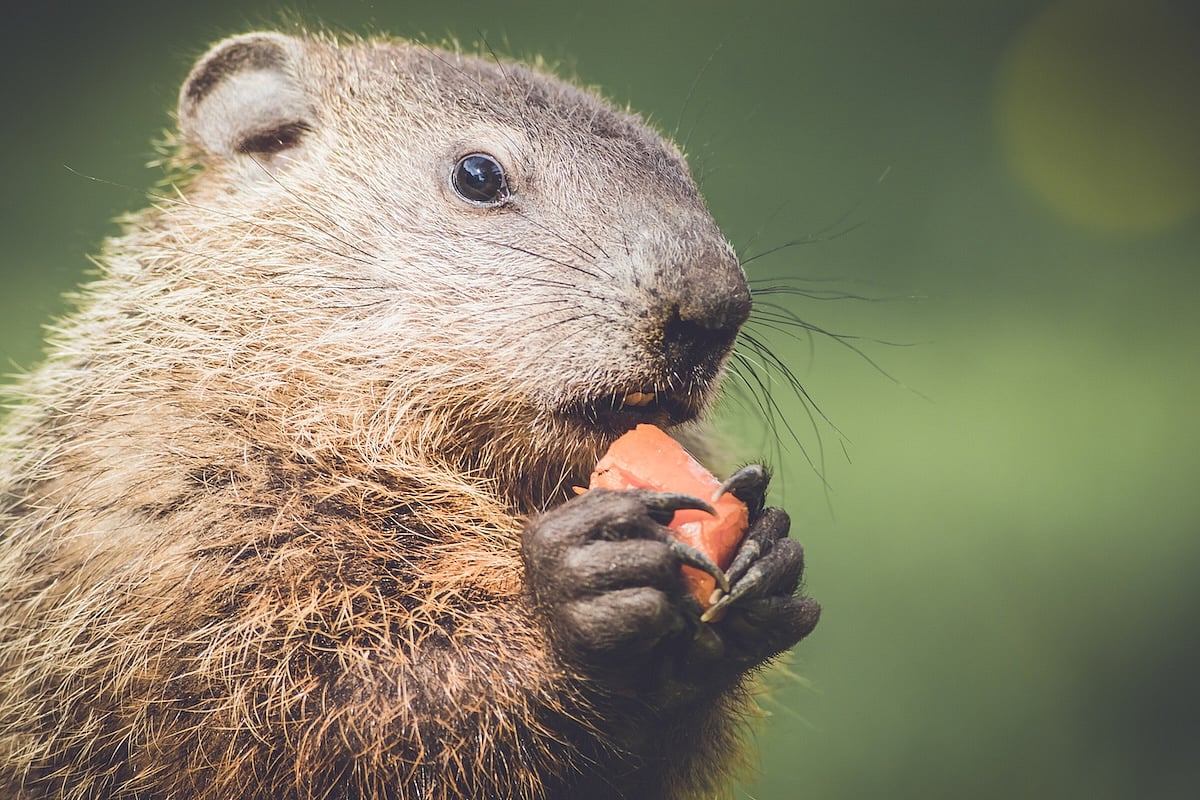
SATURDAY, Jan. 31, 2026 — Every Feb. 2, Americans turn to a groundhog to see whether winter will stick around.
But Groundhog Day is about much more than shadows and more weeks of cold.
The tradition began in 1886, when the first Punxsutawney Phil was crowned in Pennsylvania. The first official celebration came in 1887.
The date falls halfway between the winter solstice and spring equinox, a period of significance in European festivals and religous celebrations, experts explain.
German immigrants brought the custom to the U.S. in the 18th and 19th centuries. In Europe, animals like hedgehogs and badgers were used to predict spring weather.
In Pennsylvania, folks chose the groundhog.
“Some call it a groundhog, some call it a woodchuck and some call it a whistle pig, names originating from the animal’s stocky stature and its ‘whistle’ or ‘chuck’ vocalizations,” Sheldon Owen, a wildlife specialist at West Virginia University Extension, said in a news release.
And while the shadow story has historical significance, experts say there’s real biology behind the idea of an early spring.
“It’s not based on whether a groundhog sees its shadow, but on whether a mate for spring breeding can be found,” Owen said.
“Male and female groundhogs hibernate in different dens, so a male has to go in search of a female to find a mate for the spring breeding season,” he explained. “If the females are still hibernating when the males emerge from hibernation, then spring will likely be delayed a bit.”
Groundhogs spend the summer packing on fat for winter. During hibernation, which lasts about three to six months, they lose about 50% of their body weight. Each year, females give birth to one litter of three to five pups.
These animals are the largest members of the ground squirrel family, weighing between 5 and 13 pounds.
They live across North America and are often found near fields, wooded areas and grassy banks. They eat clover, grasses, crops and other plants.
“Though groundhogs are most often seen on the ground, they’re actually good climbers. They’re also great diggers, creating different burrows for summer and winter,” Owen said.
“Their complex underground networks of burrows offer shelter and escape cover not only for groundhogs themselves,” he added, “But for species including rabbits, skunks, raccoons, foxes, snakes, weasels and chipmunks.”
Sources
- West Virginia University, news release, Jan. 27, 2026
Disclaimer: Statistical data in medical articles provide general trends and do not pertain to individuals. Individual factors can vary greatly. Always seek personalized medical advice for individual healthcare decisions.

© 2026 HealthDay. All rights reserved.
More news resources
Subscribe to our newsletter
Whatever your topic of interest, subscribe to our newsletters to get the best of Drugs.com in your inbox.


Recent Comments